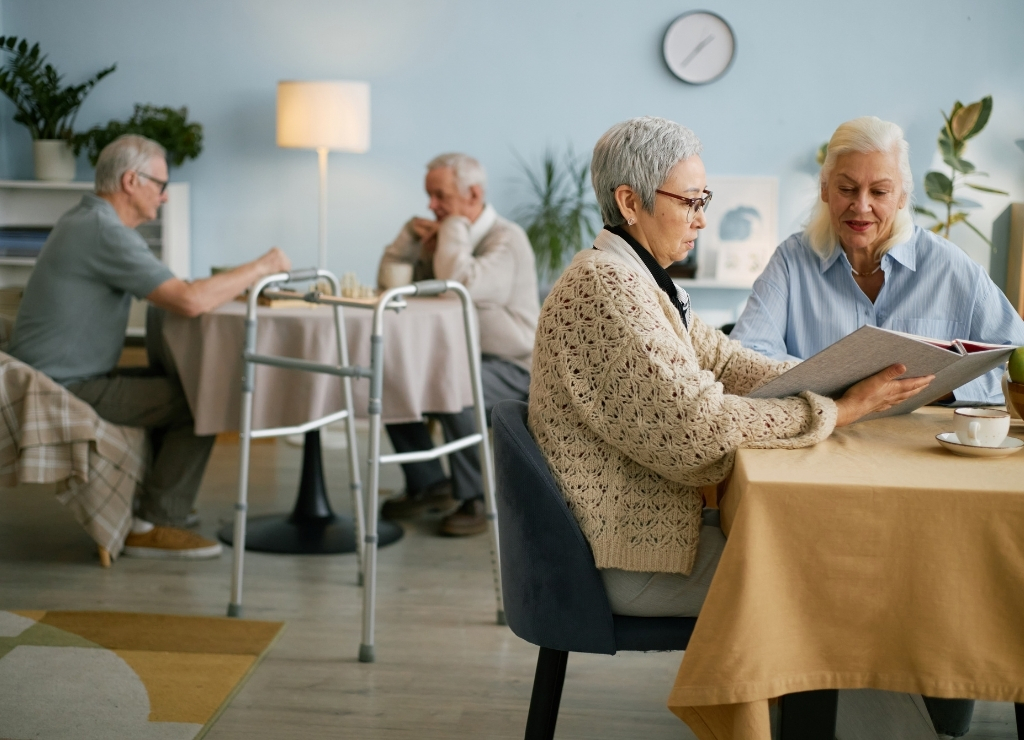

If you have a family member with dementia, you may be facing unique challenges, especially when it comes to creating a supportive and safe environment for them. As their memory declines, even everyday tasks become difficult. In fact, the home that they have been living in for long may suddenly feel overwhelming to them. And this is where dementia-friendly housing comes into the picture.
Dementia-friendly housing is designed to promote safety, independence, and well-being for people experiencing cognitive decline. From simple modifications like better lighting and clear signage to specialized communities offering structured support, these housing options help minimize confusion and enhance quality of life.
For families having a dementia patient at home, it is important to understand how dementia-friendly housing can make a difference. Be it looking to adapt your loved one’s current home or exploring dementia-friendly communities, knowing about the features that match your needs the best, like calming environments, secure layouts, accessibility, etc., can give you peace of mind.
With this blog, get to know the key aspects of dementia-friendly housing, which will help you make informed decisions that align with your loved one’s needs. Explore how the right living environment can foster comfort, dignity, and security for those with memory loss.
Understanding Dementia and its Impact on Housing Needs

Dementia is a progressive condition that affects memory, thinking, and behavior, gradually making everyday activities more challenging for a person. As cognitive abilities decline, people with dementia may struggle with recognizing familiar spaces or remembering how to use household items. These changes significantly impact their housing needs, requiring adjustments to ensure safety, comfort, and independence.
Dementia-friendly housing is designed to enhance the quality of life for the people and minimize the confusion for them, like clear signage, contrasting colors, and clutter-free layouts can help people recognize their surroundings more easily. Also, safety features like grab bars, non-slip flooring, and secured entryways reduce the risk of falls and wandering.
Apart from the physical design, dementia-friendly housing also considers emotional wellbeing. Spaces with ample natural light, soothing colors, and access to outdoor areas give a sense of calm and routine. Structured support, be it through caregivers or specialized memory care communities, ensures that these individuals receive the assistance they need while maintaining as much independence as possible.
It is important to understand how dementia affects housing needs so that the families can provide a suitable dementia-friendly home and the caregivers can provide the best possible environment for them.
Types of Memory Care Housing Options
When a loved one has dementia, it becomes important to choose the right dementia-friendly housing that provides a safe, supportive, and structured setting that caters to the unique needs of individuals with memory loss. Here are the types of memory care housing options available:
- In-Home Memory Care
Many families may want to keep their loved ones at home and do modifications to create a dementia-friendly environment. To do so, they may install safety features, use memory aids, and hire professional caregivers to provide daily assistance.
- Assisted Living with Memory Care
One can opt for assisted living with memory care. These facilities often have dedicated memory care units that offer specialized support. These communities provide structured routines, trained staff, and dementia-friendly design elements like secure outdoor spaces and visual cues to help residents navigate.
- Memory Care Communities
These communities are specifically designed for people with dementia. They focus entirely on cognitive support, safety, and engagement. Their features often include secured environments, tailored activities, and round-the-clock care to enhance quality of life.
- Skilled Nursing Facilities (Nursing Homes)
Skilled nursing facilities provide medical care with memory support for the ones in the later stages of dementia. These facilities offer 24/7 supervision, therapy services, and assistance with daily tasks.
- Respite and Adult Day Care Programs
For families who need temporary or part-time support for their loved ones, respite care and adult day programs offer structured activities and social engagement in a supervised setting.
Tips for Choosing the Right Memory Care Community

Opting for the right memory care community is an important decision that impacts the wellbeing and quality of life of your loved one. Here are five tips to help guide your choice:
- Assess Safety and Security Measures
Look for a dementia-friendly housing community that prioritizes safety. Features like secured entrances, enclosed outdoor spaces, and emergency response systems help prevent wandering and ensure that the residents remain protected.
- Evaluate Staff Training and Expertise
The quality of care depends largely on the staff. Make sure that the caregivers and medical personnel have specialized training in dementia care, including techniques for managing behavioral changes, communication strategies, and providing compassionate support.
- Consider Personalized Care Plans
Every person with dementia has unique needs. Choose a community that offers customized care plans, incorporating personalized activities, meal plans, and therapy sessions to enhance cognitive and emotional wellbeing.
- Observe the Environment and Amenities
A well-designed dementia-friendly housing community should have clear signage, color-coded pathways, familiar home-like settings, and memory aids to help residents move in their surroundings comfortably and independently.
- Engage with Current Residents and Families
Speak with families of current residents and observe how staff interact with residents. Positive engagement, structured daily routines, and a warm, welcoming atmosphere are strong indicators of a high-quality memory care community.
Conclusion
Finding the right dementia-friendly housing for a loved one is an important step in ensuring their safety, comfort, and overall wellbeing. As dementia progresses, individuals need specialized environment that help reduce confusion, promote independence, and enhance their quality of life. Memory care communities offer structured routines, trained staff, and secure surroundings that cater specifically to the needs of individuals with cognitive decline.
When choosing a memory care community, families should consider factors like safety features, staff expertise, personalized care plans, and engaging activities that support cognitive and emotional well-being. A well-designed dementia-friendly housing environment comprises clear signage, soothing colors, and familiar layouts to help residents move in their surroundings with ease.
Apart from physical design, compassionate and well-trained caregivers play a pivotal role in ensuring that the residents receive the emotional and medical support they need. Visiting potential communities, speaking with caregivers, and engaging with current residents can provide valuable insight into the quality of care offered.
Dementia can be a challenging journey for both individuals and their families, but with the right support system in place, it is possible to maintain a high quality of life. Choosing a dementia-friendly housing option that aligns with your loved one’s needs can provide peace of mind and a safe, nurturing environment.